Planning note 04 · reviewed 10 August 2026
Respect is specific.
Responsible travel is not a badge purchased with one “ethical” choice. It is a series of small, local decisions about consent, conservation, transactions and the right of ordinary life to remain ordinary.
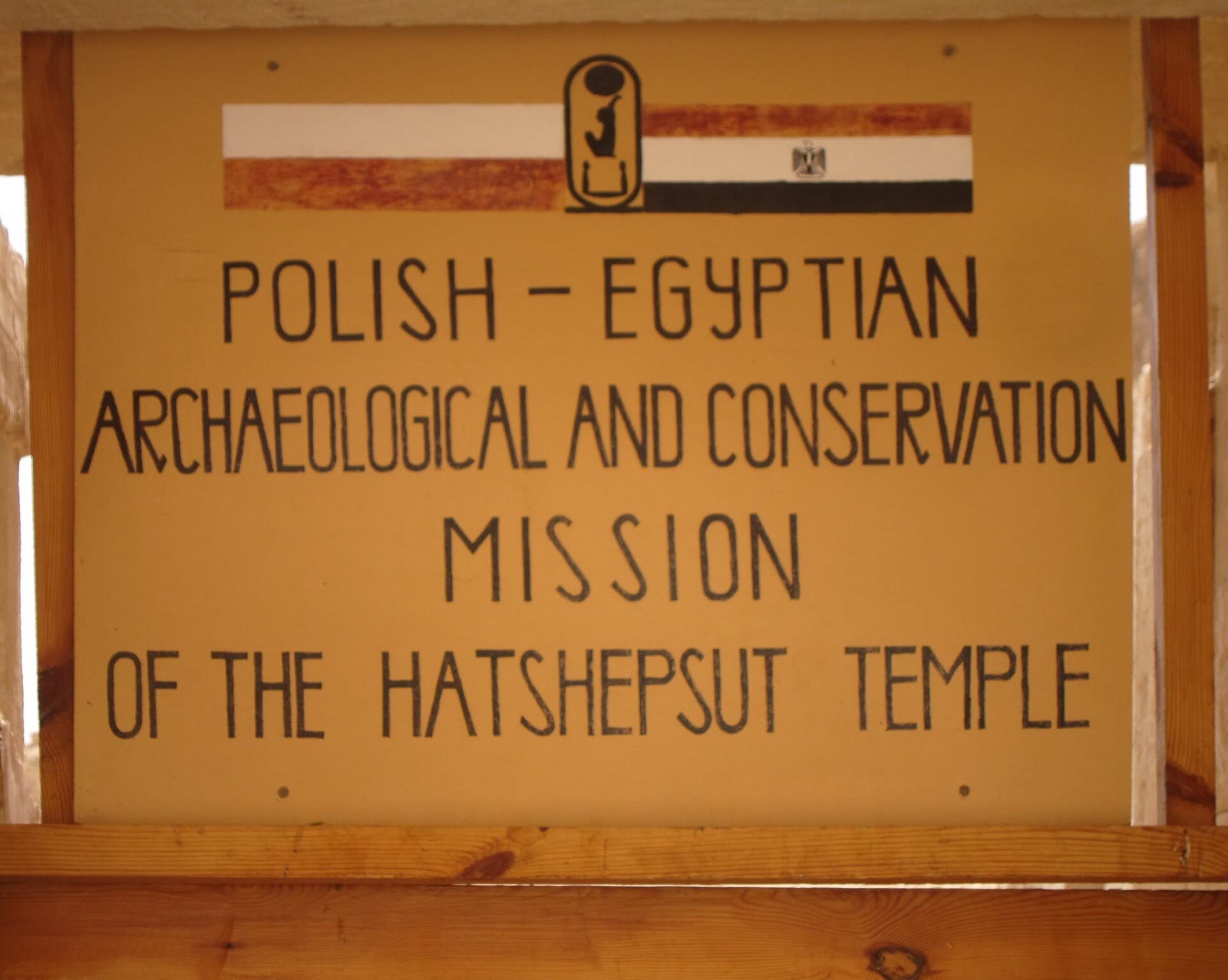
Travel creates unequal moments: one person has a camera and leisure time; another is working, worshipping, commuting or living at home. Responsible behaviour begins by noticing that difference. The goal is not to perform moral perfection. It is to reduce avoidable harm and respond to the specific place rather than applying a generic tourist script.
Ask for a photograph, not forgiveness
Seek clear permission before photographing an identifiable person, especially children, workers, worshippers and people inside or near their homes. A smile is not always consent, and purchasing something does not automatically include a portrait. If the answer is no—or uncertain—lower the camera.
Wide street scenes may be permitted where individual people are incidental, but security, museum and religious-site rules can restrict photography. Do not photograph checkpoints, personnel or controlled infrastructure. Read signs and follow direct instructions without turning the boundary into a debate.
Enter sacred and domestic space as a guest
Mosques, churches, monasteries and shrines are not simply architectural attractions. Clothing, shoes, circulation, prayer times and photography may be regulated. Carry a practical layer, keep voices low and avoid crossing in front of prayer or entering a restricted area. Current instructions at the place take precedence over a blog post.
Homes and community visits need similar care. Clarify whether a guide or host has arranged the visit, what parts are private and whether photographs are welcome. Avoid describing a living community as “untouched,” “timeless” or existing for visitor entertainment. People define their own present.
Protect material that cannot recover
Touch transfers oil and abrasion. Flash, equipment, crowd pressure and repeated shortcuts can damage surfaces or make conservation work harder. Stay behind barriers, use marked paths and never climb, sit or lean on archaeological fabric for a photograph. Do not remove stone, pottery, sand, plants or any object from a site.
If a photograph requires you to cross a boundary, touch historic material or block circulation, the photograph is not worth taking.
Make transactions clear and humane
Markets and visitor sites involve frequent offers. A clear, calm “no, thank you” is better than contempt, teasing or pretending not to see the person. If you want a service, settle the scope and price before it begins: route, duration, waiting, return, number of passengers and what is included. Pay what was agreed and handle disputes without public humiliation.
Bargaining practices vary by context. Do not bargain aggressively over an amount that is trivial to you but meaningful to the seller, and do not treat every fixed price as a challenge. At the same time, responsible travel does not require accepting an unclear arrangement. Clarity protects both sides.
| Issue | Before the choice | During the experience |
|---|---|---|
| Photography | Ask the person and check the place rule | Accept refusal immediately |
| Guided service | Confirm role, scope, duration and fee | Respect agreed time and boundaries |
| Animal ride | Observe body condition, equipment and handling | Stop if treatment or conditions concern you |
| Community visit | Ask who arranged it and who benefits | Keep private spaces and people private |
Look carefully at animal experiences
Animal welfare cannot be judged by a single species or by whether a ride is traditional. Observe the individual animal, load, equipment, shade, water, footing and handler behaviour. Do not participate if the animal appears injured, exhausted, overloaded or treated in a way that concerns you. A visitor’s schedule is never a reason to continue.
Reduce waste without inventing purity
Carry a reusable bottle where refill safety and site rules make that practical, refuse unnecessary packaging and keep litter until a suitable bin is available. Do not leave “biodegradable” food waste in archaeological or desert landscapes. Water safety is personal and location-specific; use a reliable source rather than making a symbolic choice that risks illness.
Choose interpretation that returns value
A knowledgeable, properly authorised local guide can connect language, history and route while supporting skilled work. Ask how the service is organised and confirm credentials where required. Museums, official publications and conservation projects are also ways to support interpretation. Avoid purchasing antiquities or objects whose lawful origin is unclear.
Finish with one private question
At the end of the day, ask: which moment depended on someone else absorbing inconvenience for my experience? Sometimes the answer is unavoidable transport or hospitality. Sometimes it reveals a photograph, price negotiation or shortcut that should be handled differently tomorrow. Responsible travel improves through that honest adjustment.
How we workRead the editorial and sourcing method→