Planning note 03 · reviewed 10 August 2026
Leave room to look.
A strong monument day is not the one with the most gates. It has a clear question, a manageable sequence and enough attention left to understand the final space.
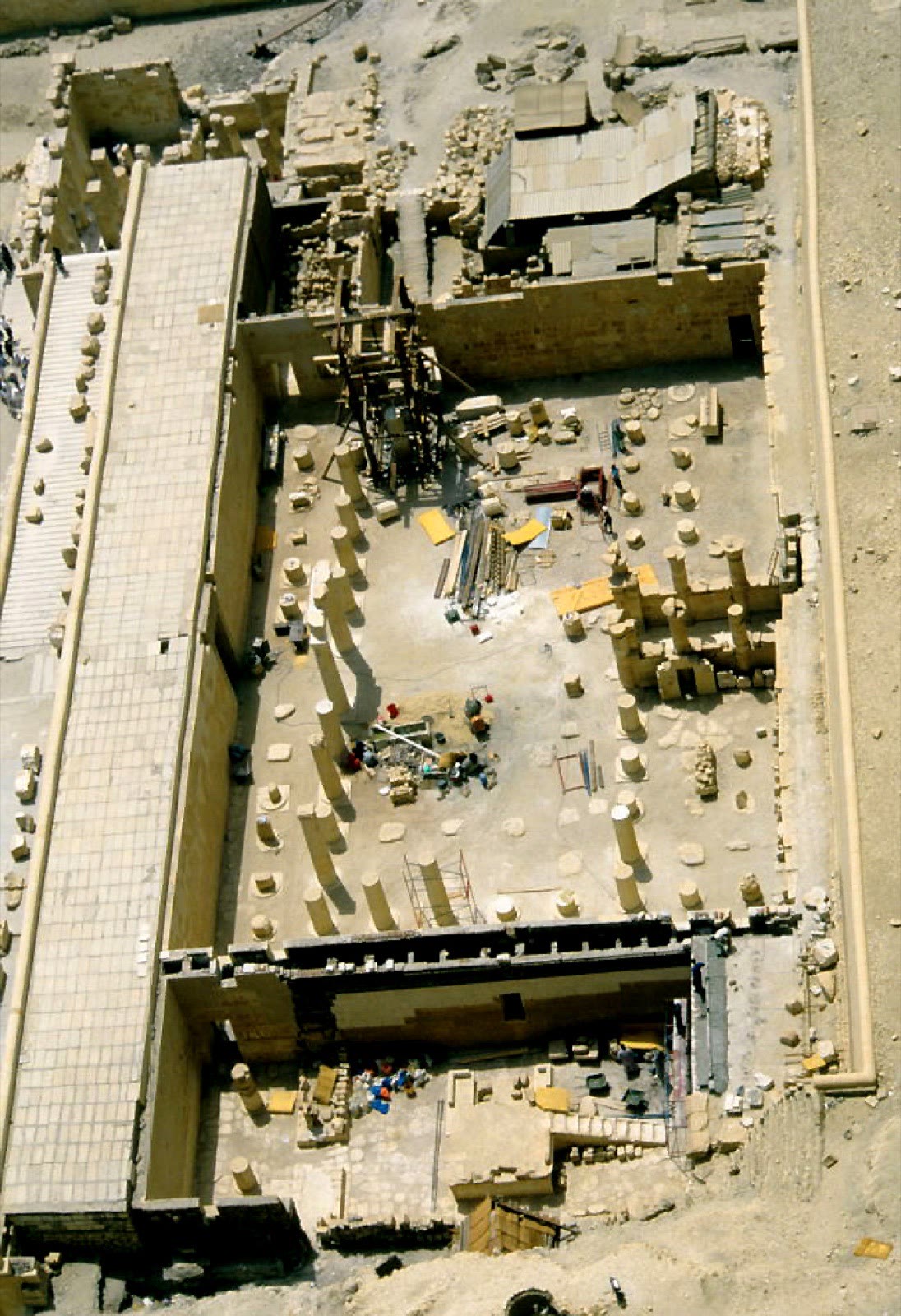
Egyptian temples, tombs and archaeological landscapes contain more visual and historical information than a visitor can absorb in one pass. The common response is to speed up: photograph the famous feature, scan a label and move to the next ticket. A better response is selection. Choose what the day is trying to understand, then let the route serve that question.
Write one question before the site list
A useful question is open enough to guide observation and narrow enough to make choices. At Karnak it might be, “How does movement from open court to restricted interior change the architecture?” On Luxor’s west bank: “How did landscape shape the relationship between tomb and memorial temple?” At Giza: “How do distance and scale organise the pyramid field?”
The question does not require specialist knowledge. It simply gives the eye a task. Supporting stops should add a comparison or missing piece. If a place does not serve the question and creates a difficult transfer, save it for another day.
Check operations before interpretation
Begin with the responsible official source. Confirm whether the site is operating, which areas are included or separately controlled, and whether current restoration affects the visit. Photography, video, tripods, bags, food and water can be regulated differently by site and interior. Read the posted rules again on arrival; another visitor’s behaviour is not permission.
Accessibility also needs specific questions. An accessible ticket office does not prove that every path, boat, tomb or raised threshold will work for a particular visitor. Ask about the exact route, surface, gradient, distance and available assistance.
An old travel post can describe an experience. It cannot confirm today’s opening, price, photography permission or accessible route.
Sequence by effort, not fame
Put the most exposed or mentally demanding stage in the part of the day that suits the group best. A long outdoor approach may deserve a cooler window. A delicate painted interior may deserve attention before several similar rooms create fatigue. A museum can provide context before a landscape, or restore it afterward, depending on the route.
| Block | Purpose | Control |
|---|---|---|
| Orientation | Map, site boundary and central question | Do not begin by following the largest group |
| Primary space | The most demanding or important sequence | Protect attention and cooler conditions |
| Recovery | Shade, water, notes and route check | Pause before fatigue decides for you |
| Comparison | One supporting space or viewpoint | Stop when it no longer adds understanding |
Use interpretation without surrendering the route
A qualified guide can add language, context and navigation that transform a site. Clarify the scope, duration, language, route and fee before beginning, and confirm any licensing requirement through current local channels. If using a book or audio resource, do not stand in narrow circulation while reading. Step aside, look first, then return to the explanation.
Photography is a useful memory tool but a poor substitute for observation. Try a simple cycle: look without the camera, identify what changes across the space, take one permitted image if it adds value, then write a short note. This produces fewer files and a stronger memory of the place.
Respect the material boundary
Ancient stone can appear indestructible while pigments, surfaces and edges remain vulnerable. Do not touch reliefs, lean on walls, cross barriers or place objects on historic fabric. Flash and equipment restrictions often reflect conservation or circulation needs. Follow them without demanding a personal exception.
Food, litter and reusable containers should be handled according to the site’s rules. Keep pathways clear, speak quietly in confined interiors and allow others time at a viewpoint. Archaeological space is shared, not acquired with the entry ticket.
End with a three-line record
Before leaving, write three lines: what changed your understanding, what remains unclear, and what you would compare next. Then resist adding an unrelated major site merely because the day ended earlier than expected. A calm meal, a river walk or a return to notes can be the correct final block.
Next planning noteVisit responsibly: people, rules and fragile places→