Planning note 01 · reviewed 10 August 2026
Choose conditions, not a “best month.”
The useful question is not when Egypt is perfect. It is which conditions suit your route, health, crowd tolerance and willingness to reorganise the middle of the day.
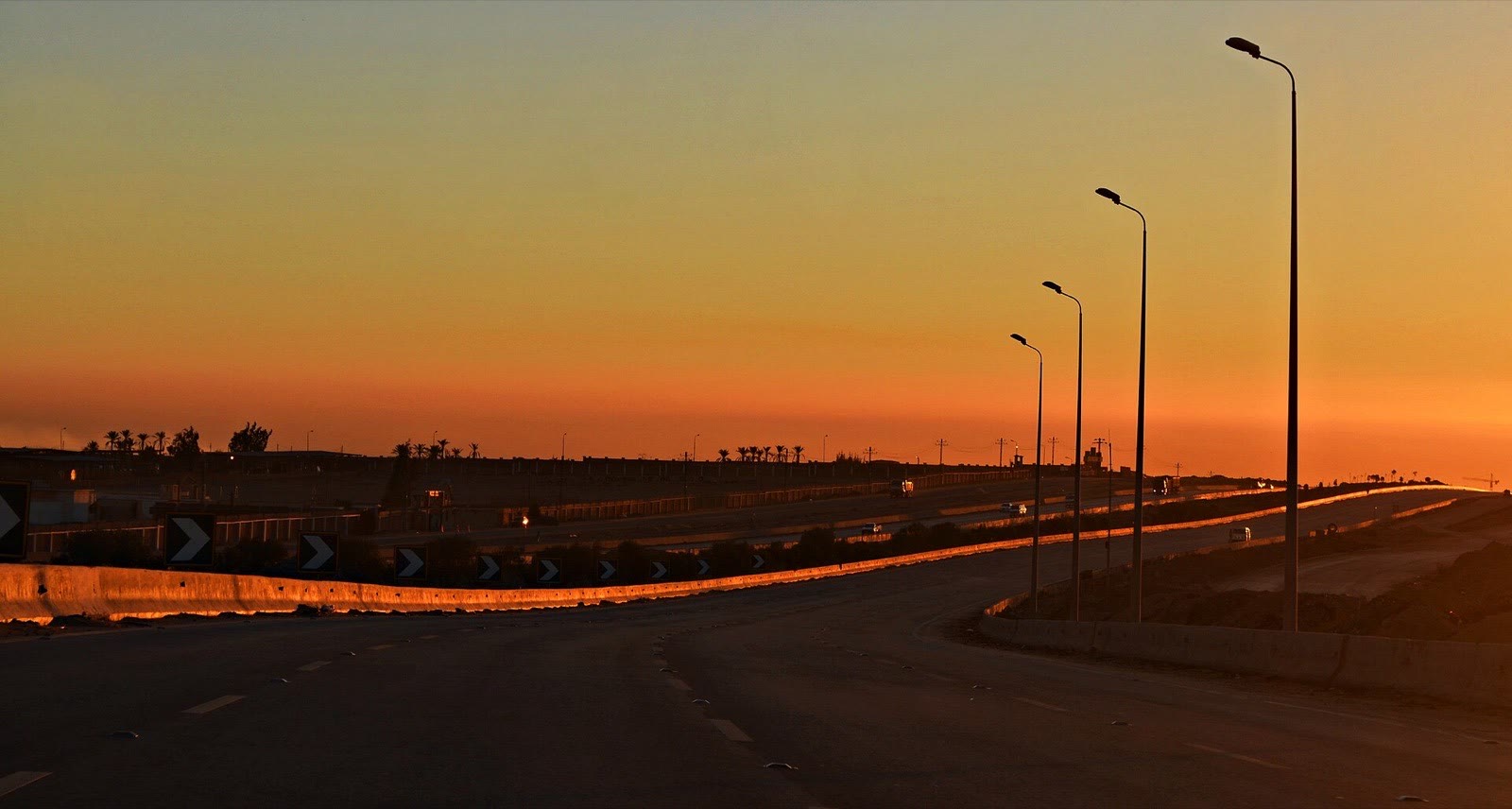
Egypt is often reduced to two travel labels: “winter is best” and “summer is too hot.” Both hide important decisions. Cairo’s dense urban days, Luxor’s exposed archaeological landscape, Aswan’s river and granite, and Alexandria’s Mediterranean coast do not feel identical at the same time of year. The right dates depend on the route and on how the traveller responds to heat, wind, crowds and shorter daylight.
Map exposure before temperature
Start by listing the physical character of each planned day. A long west-bank route in Luxor includes open terrain and transport between sites. A Cairo museum day may alternate conditioned interiors with busy streets. Alexandria can bring coastal wind, humidity or rain that a generic “Egypt weather” chart does not explain. Aswan may be dry but highly exposed around water and stone.
Now mark which activities have flexible timing. Outdoor plateau walks, temple approaches and long urban routes benefit from cooler windows. Museums, meals and shaded interiors can absorb part of the brightest period, provided their actual opening arrangements allow it. This exercise is more useful than choosing a month and assuming every hour will cooperate.
| Day type | Main exposure | Useful adjustment |
|---|---|---|
| Desert-edge archaeology | Sun, reflected heat, limited shade | Start in a cooler window and reduce the site count |
| Dense city walking | Heat, traffic, noise and crossings | Use compact clusters and scheduled seated breaks |
| River day | Sun, wind and uncertain boat timing | Protect the return buffer and carry a light layer |
| Mediterranean coast | Wind, humidity, rain or strong sun | Keep an indoor anchor and check local conditions |
Understand the broad seasonal trade-off
Cooler periods generally make long exposed days easier, but they can also attract more visitors and bring shorter daylight. Transitional periods may offer workable conditions with greater day-to-day variation. The hottest part of the year demands a different itinerary rather than a brave version of the same one: earlier outdoor work, fewer major sites, longer midday recovery and realistic transport.
These are patterns, not guarantees. Unusual heat, wind or rain can occur, and conditions can differ along a multi-city route. Check a reliable current forecast for each destination, then revise the sequence rather than merely changing clothing.
If the group is losing concentration or showing signs of heat illness, stop the itinerary. Shade, cooling, fluids and appropriate medical help matter more than completing a ticket.
Add the calendar to the climate
Religious observance, public holidays, school periods and major local events can affect daily rhythm, transport demand and operating hours. Ramadan moves through the solar calendar, so old articles that attach it permanently to one season are unreliable. During the month, daytime and evening patterns may change, and travellers should behave respectfully around people who are fasting.
Do not infer a site’s holiday schedule from a general calendar. Confirm directly with the responsible institution. If a fixed experience matters, check it again close to the day and keep an alternative that does not depend on one interior being open.
Pack for transitions, not a stereotype
Breathable clothing, reliable sun protection, comfortable footwear and a refillable water solution are useful across many routes. A light layer can help with air-conditioned interiors, wind and more conservative settings. Clothing should respond to place: religious spaces, urban streets, archaeological sites and resort environments may have different expectations.
Medication, mobility needs and heat sensitivity deserve individual professional advice where appropriate. Travel insurance terms, entry requirements and health recommendations are outside the certainty of a general editorial guide and should be checked with the relevant official or professional source.
Make the final decision with a day model
- Choose the most exposed day in the proposed route.
- Write its outdoor, transport and indoor blocks in order.
- Test whether a cooler window is available for the hardest block.
- Add a genuine recovery period and one removable stop.
- Repeat with the current forecast shortly before travel.
If the hardest day still looks reasonable, the season may fit. If it depends on perfect conditions and endless energy, change the route—not the traveller.
Next planning noteGetting around: solve the exact distance→